

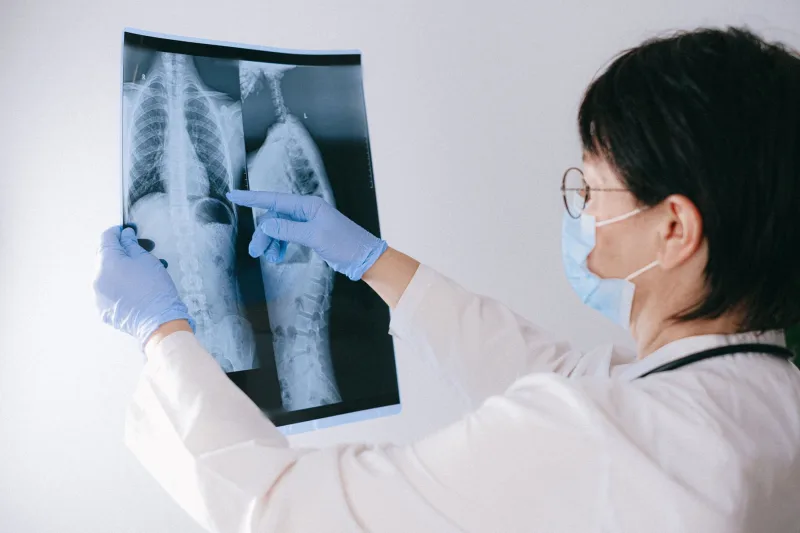
Spinal infections cause inflammation in and around the vertebrae, discs and spinal cord. Symptoms, diagnostic methods, and antibiotic and surgical treatment options are explained.
What is a spinal infection?
A spinal infection is inflammation that develops when germs settle in the structures around the spine. This group includes infection of the vertebral bone (vertebral osteomyelitis), of the disc between the vertebrae (discitis), of both together (spondylodiscitis), a collection of pus in the spinal canal (epidural abscess), and infections that develop after surgery. The infection can arise through the bloodstream, by spreading from surrounding tissues, or after a spinal procedure or operation.
Who is more likely to get it?
Diabetes, conditions or medicines that suppress the immune system, injecting drug use, kidney failure, older age, an infection elsewhere in the body, and previous spinal procedures and operations can be risk factors. The cause is usually bacteria (most often staphylococci); other germs such as tuberculosis can also affect the spine.
Spinal infections: symptoms
Symptoms may start slowly and at first may resemble ordinary low back pain. Look out for the following:
- Back or low back pain that does not go away with rest or at night and gets worse with movement
- Fever, chills and shivering, weakness, loss of appetite and weight loss
- Tenderness over the spine
- Weakness or numbness in an arm or leg
- Problems with bladder or bowel control
- Redness, swelling or discharge at the wound site after surgery
The absence of fever does not rule out an infection; for this reason, persistent spinal pain with no clear cause should be assessed.
Spinal infections: how is it diagnosed?
- Examination: Tenderness and the neurological condition are assessed.
- Blood tests: Markers of infection (ESR, CRP, white blood cell count) may be raised; blood cultures are taken.
- Imaging: Contrast-enhanced MRI is the most valuable test for the diagnosis; it shows the spread of the infection and any pressure on the spinal cord. X-rays, CT and, where necessary, a bone scan or PET-CT provide additional information.
- Identifying the germ: To identify the cause, an image-guided needle biopsy is done, or tissue taken during surgery is cultured. Identifying the cause is important for choosing the right antibiotic.
Spinal infections: treatment options
Treatment is planned together with an infectious diseases specialist and is usually long-term.
- Antibiotic treatment: This is the main treatment in most patients. It is started intravenously and may then be continued by mouth; the total duration can range from weeks to months. Special medicines are needed in conditions such as tuberculosis.
- Spinal support: A brace and adjusting activities can help with pain and stability.
- Surgical treatment: Surgery is considered in the case of pressure on the spinal cord or nerves, an epidural abscess, progressive neurological loss, spinal instability or deformity, or no response to medical treatment. The aim of surgery is to clean out infected and dead tissue (debridement), drain collections of pus, relieve pressure on the nerves and, if necessary, stabilise the spine. Depending on the situation, fusion with or without screws may be performed; suitable implants can be used with care even in an infected setting. This decision is made according to the patient and the extent of the infection.
Possible risks and follow-up
There are risks such as the risks of anaesthesia, bleeding, persistence or recurrence of the infection, injury to a nerve or the spinal cord, persistent pain, wound problems and the need for further surgery; these are discussed in detail with your doctor before surgery. During and after treatment, regular follow-up is carried out with blood tests and imaging. It is very important to take the antibiotics in full for the length of time your doctor recommends.
Prevention
Controlling diabetes, treating other infections in the body in good time, stopping smoking and following wound care instructions after a procedure reduce the risk.
Spinal infections: frequently asked questions
Does a spinal infection always need surgery?
No. In many patients, long-term antibiotic treatment and spinal support may be enough. Surgery is considered in situations such as pressure on the nerves, a collection of pus or spinal instability.
Why does the antibiotic treatment take so long?
The blood supply to the vertebral bone and the disc is limited; long-term treatment is needed for the medicine to reach the tissue adequately and for the germ to be fully eliminated.
If there is no fever, can there still be an infection?
Yes. Fever is not always present in spinal infections; persistent pain with no known cause should be assessed.
Points to note during treatment
During antibiotic treatment, it is very important to take the medicines in full for the length of time your doctor recommends and to attend regular blood test and imaging check-ups. If there is any change, such as fever, increasing pain, weakness or discharge from the wound, let your doctor know without waiting. If you have diabetes, good blood sugar control supports healing.
The success of treatment is judged not only by the pain going away but also by improvement in blood tests and imaging findings. For this reason, you should not miss any check-ups, even if you feel well.
Spinal infections: when should you seek care?
A specialist examination is needed if you have spinal pain with no clear cause that gets worse at night or does not go away with rest; back pain together with fever and weakness; or redness, discharge or fever at the wound site after spinal surgery or an injection.
Go to the nearest emergency department in the case of sudden weakness in the legs or arms, loss of bladder or bowel control, or severe back pain together with a high fever.
Spinal infections: what happens at the consultation?
You will be asked about how the pain started, any accompanying symptoms, past procedures and your medical conditions. A neurological examination is performed, and your tests and imaging are reviewed. Any further tests needed are planned and the treatment options are explained.
The information on this page is for general information only; an examination is needed for a diagnosis and treatment decision. Every patient's situation is unique.